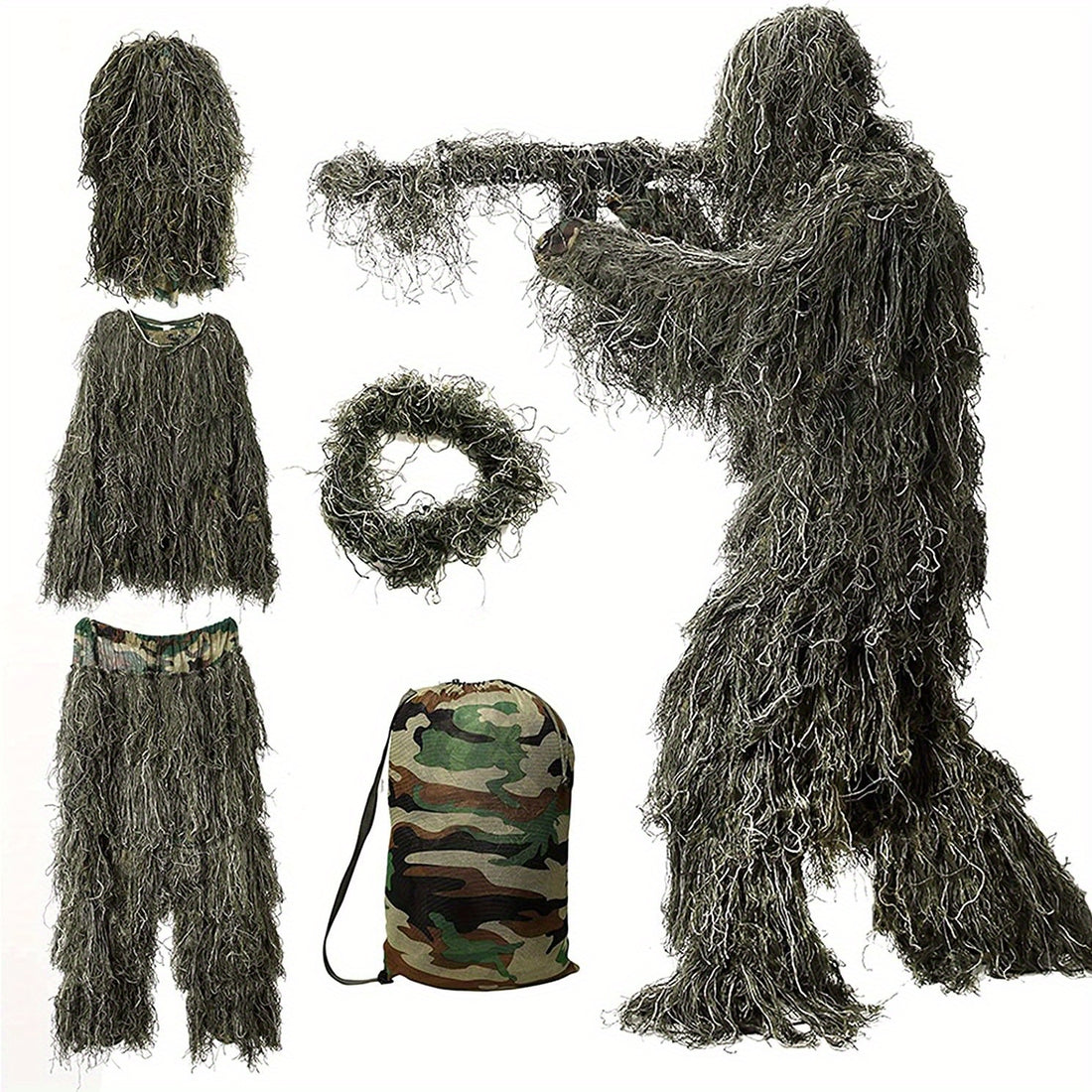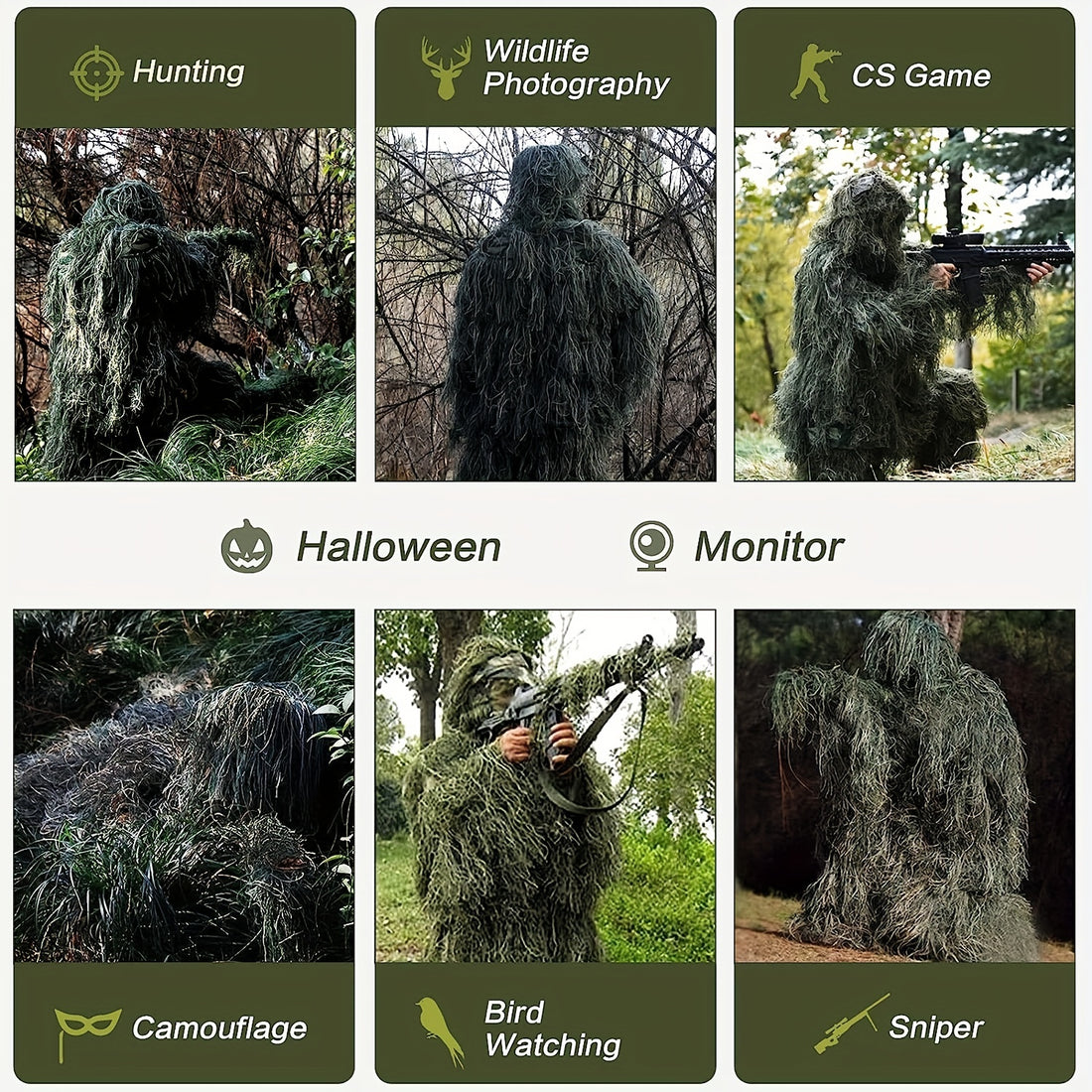

Camouflage is the art of not being seen. At its core, it's a visual pattern designed to help a person or object blend into a specific environment. While its most famous application is in the military, understanding camouflage is also valuable for hunters, outdoor photographers, airsoft players, and enthusiasts.
This guide will explain the basic principles of how camouflage works and introduce you to some of the most common and effective patterns used today.
How Camouflage Works
Camouflage doesn't make you invisible. Instead, it works in two primary ways:
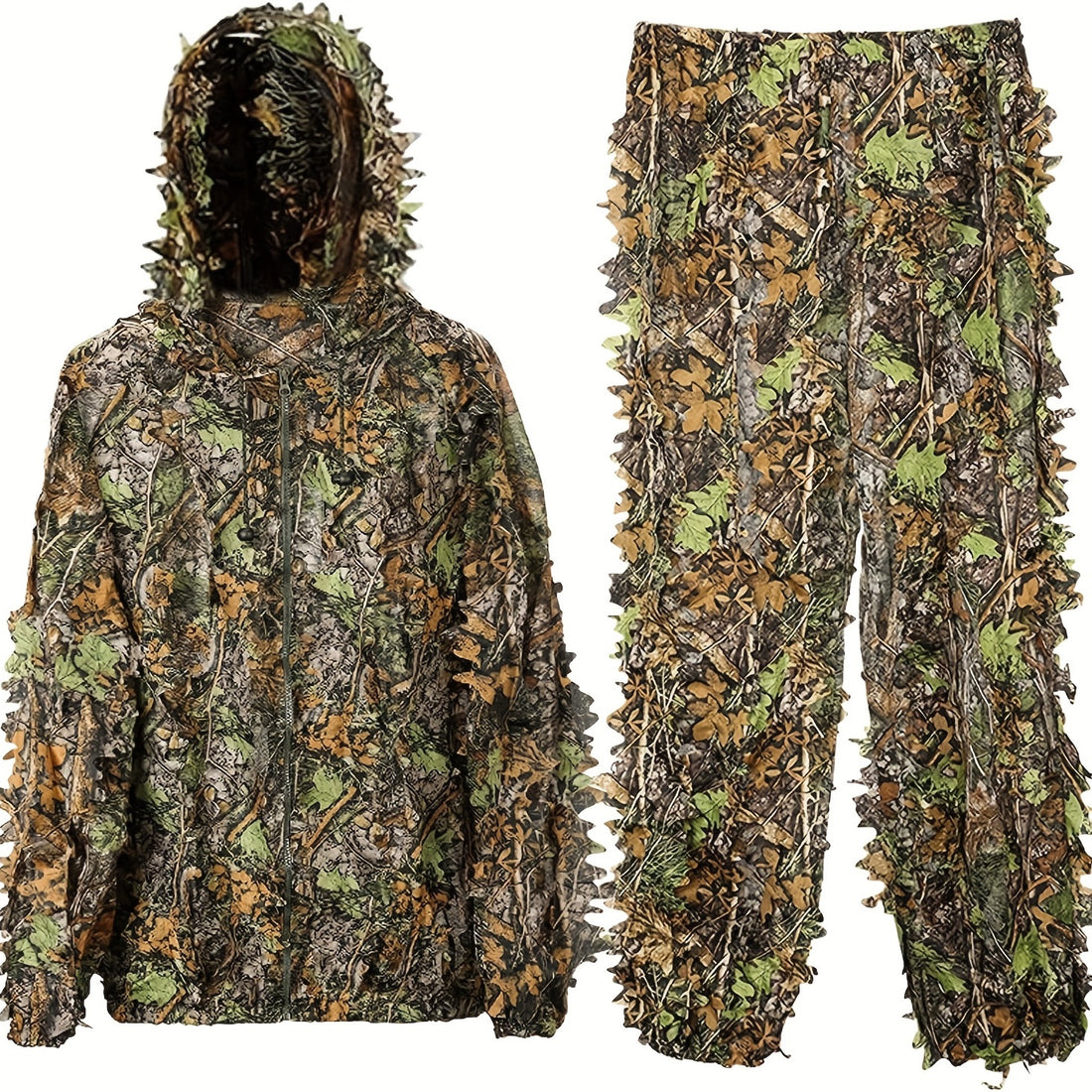
- Disruption: The pattern uses high-contrast colors and shapes to break up the recognizable human silhouette. Instead of your brain seeing a person, it sees a collection of disjointed shapes, making it difficult to identify the target. Think of the jagged, black shapes in a classic woodland pattern.
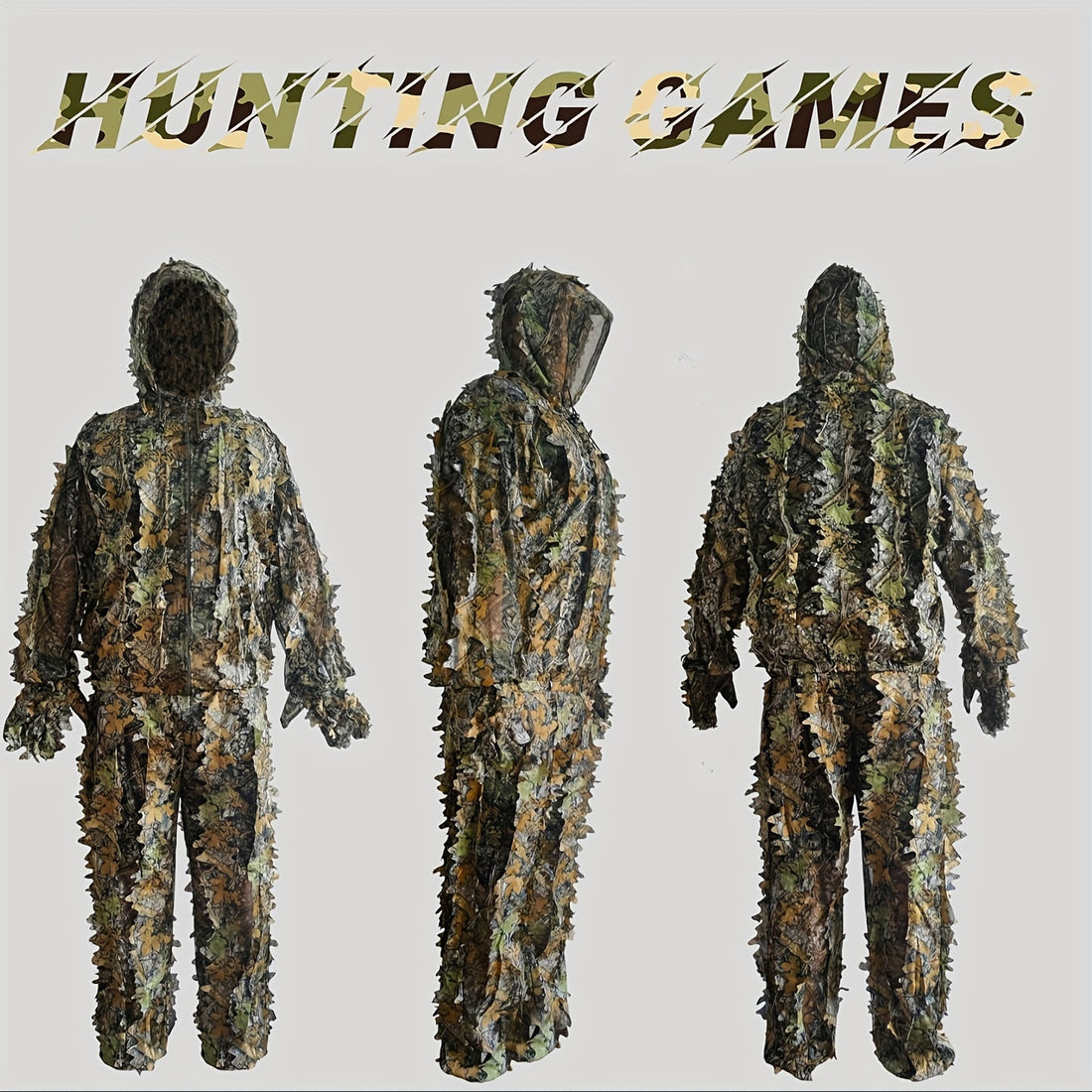
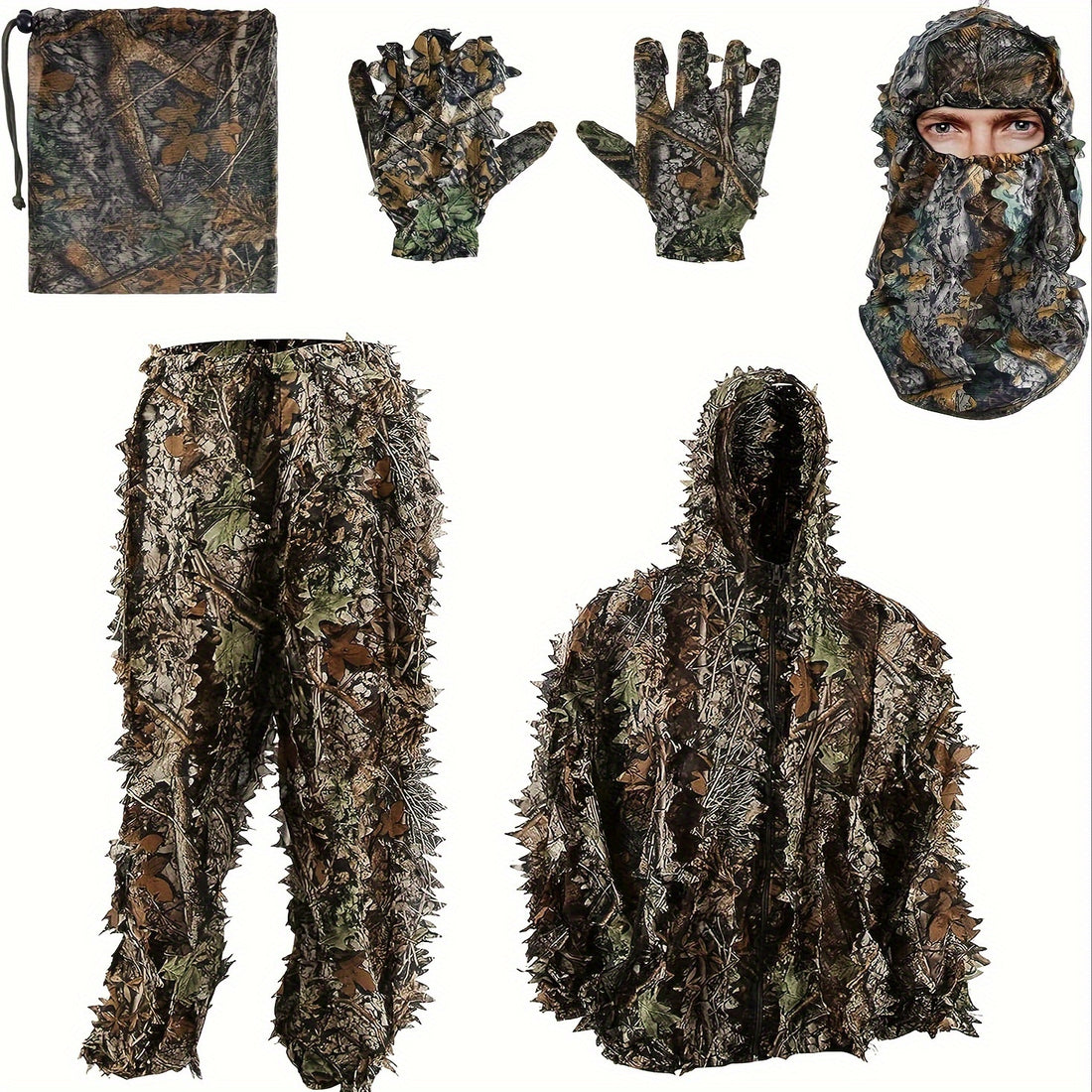
- Blending: The colors and tones in the pattern mimic those of the intended environment. This helps the wearer fade into the background. For example, a pattern for a spring forest will use various shades of green, while a desert pattern will use tans and browns.
The most effective patterns successfully combine both disruption and blending.

A Look at Common Camouflage Pattern Types
Here are some foundational patterns that have defined modern camouflage.
1. Woodland (e.g., US M81 Woodland)
This is the classic, widely recognized pattern consisting of muted green, brown, black, and khaki shapes.
- Best For: Dense forests and lush, green environments during spring and summer.
- Key Feature: Its large, contrasting shapes are excellent for disruption in varied light conditions under a forest canopy.

2. Digital (e.g., MARPAT, CADPAT)
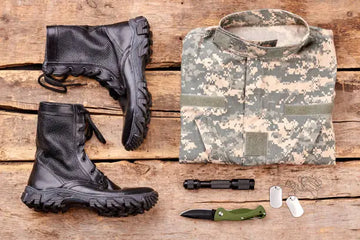
Instead of organic blobs, digital patterns use small, pixelated squares. This design was based on research showing that micro-patterns are more effective at blending at a distance, while the macro-pattern provides better disruption up close.
- Best For: Transitional environments like the edge of a forest, or in specific digital patterns like Universal Camouflage Pattern (UCP), which was designed for, but often criticized in, mixed urban and rural settings.

MARPAT comparison, source@Wikimedia Commons
3. Multicam & Its Variants
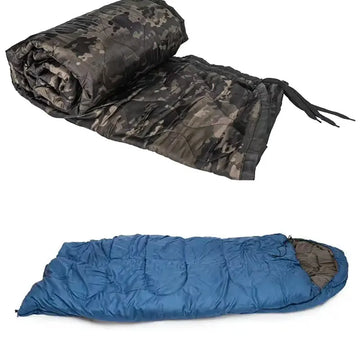
Developed by Crye Precision, Multicam was a direct response to the need for a pattern that could work across multiple environments, not just one. It uses a combination of beige, green, and brown with soft, 3D-like shading to create depth.
- Best For: Arguably the most versatile all-purpose pattern. It performs well in a wide range of environments, from dry grasslands to light forests, making it a top choice for hunters and tactical professionals who operate across different terrains.
4. Desert Patterns (e.g., Desert Night Camo, Six-Color Desert "Chocolate Chip")
Desert patterns are dominated by tans, light browns, and beiges. It's important to note that not all desert patterns are the same. The three-color pattern is for general arid environments, while the older "Chocolate Chip" pattern included black spots and specks to mimic rocks and pebbles.
- Best For: Arid, rocky, and sandy environments.

5. Snow / Winter Patterns
These patterns are predominantly white, often with small amounts of grey or black to mimic shadows, rocks, and tree lines in a snowy landscape.
- Best For: Snowy conditions. It is highly specialized and ineffective once the snow melts.

How to Choose the Right Camouflage Pattern
For a beginner, the choice can be simplified by answering two questions:
1. What is my environment? Match the dominant colors and contrast of your surroundings.
- Green Forests: Choose Woodland or a green-dominant Multicam.
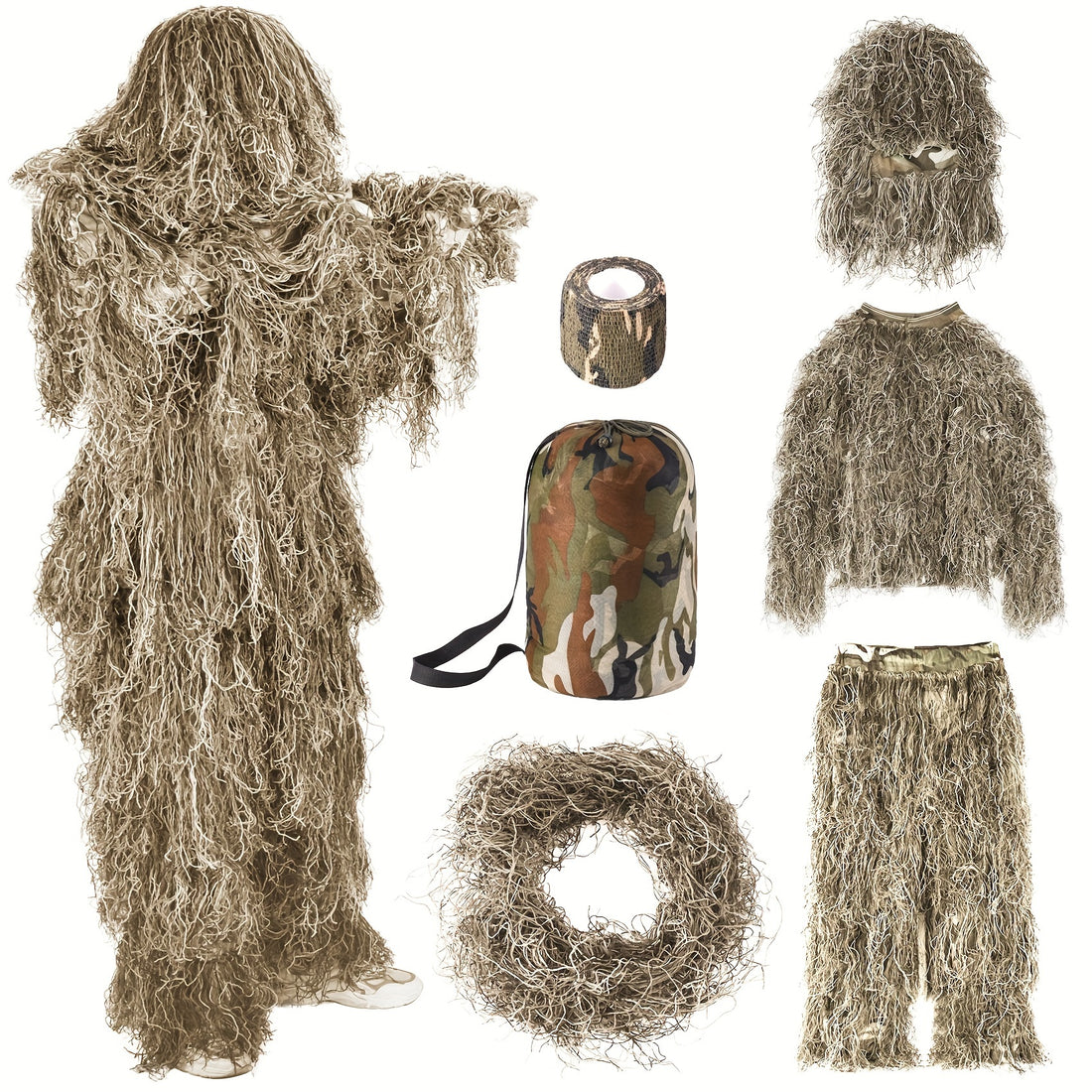
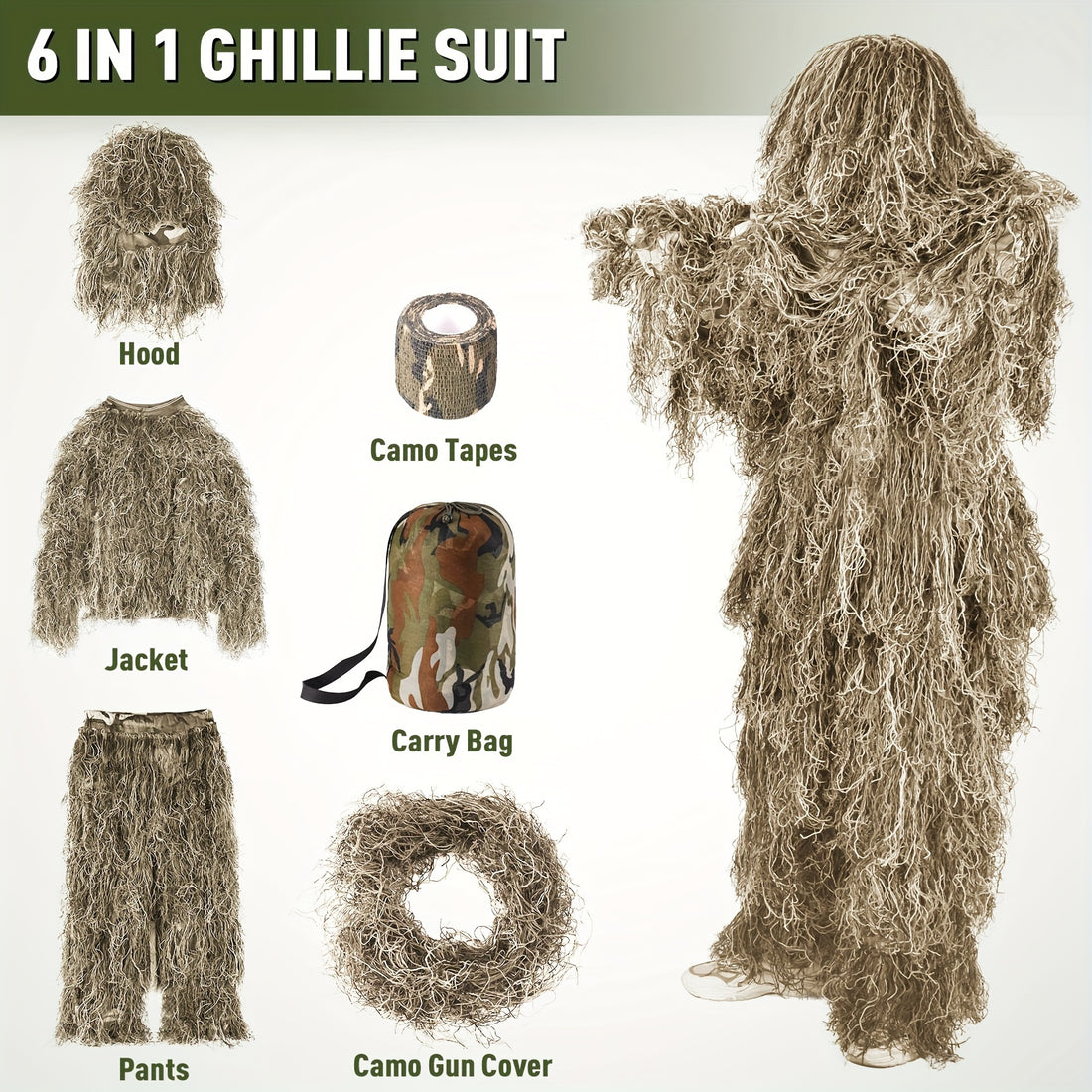
- Brown/Grasslands: Choose a tan-dominant pattern like Multicam or a specific grassland pattern.
- Arid Desert: Choose a dedicated desert pattern.
- Snow: Use a dedicated snow pattern.
- Mixed/Unknown: A versatile pattern like Multicam is your safest bet.
2. What is my activity?
- Hunting: Animals see differently than humans. Many are dichromatic (deuteranopia, or "color blind" to red-green). For most games, contrast and breaking up your silhouette are more critical than specific colors. Avoid blue (a color many animals can see well) and focus on pattern disruption.
- Airsoft/Tactical Training: The goal is to hide from other humans. In this case, matching the environment's colors and contrast as a human would see it is key.
-
General Outdoor Use: For durability or style, the choice is less critical. A versatile pattern like Multicam or a classic Woodland is often sufficient.
Remember, no pattern makes you invisible. Your movement, noise, and silhouette control are just as important, if not more so, than the pattern on your clothing.
Camouflage is a blend of art, science, and practical skill. In the future, we might see camouflage that changes in real-time, just like how some animals adjust their appearance to stay hidden. This shows how the science of camouflage is always moving forward, inspired by nature. By knowing these basic principles and patterns, you can confidently select the right gear for your needs and appreciate the complex design behind it.

About Us
As a manufacturer with deep expertise in tactical and outdoor gear, we apply these principles of camouflage science to the products we create. Understanding the functional requirements of different environments and user needs is fundamental to our design and production process.
We offer custom manufacturing and wholesale services for businesses requiring professionally crafted gear in a variety of camouflage patterns and materials.