

Military uniforms like the Battle Dress Uniform (BDU) and Army Combat Uniform (ACU) are designed for functionality and adaptability in demanding environments.
As a tactical gear manufacturer with over 15 years of experience since 2009, we provide an objective comparison of these uniforms, covering their design, materials, and real-world applications.
Quick answer: BDU vs ACU
-
BDU (Battle Dress Uniform): older U.S. uniform system best known for woodland and desert variants. Simple pocket layout, durable fabric, classic military look.
- ACU (Army Combat Uniform): newer system introduced with a more armor-friendly cut and updated pocket layout. Early versions used UCP (digital “universal” camo), later replaced by OCP for better multi-terrain performance.
Official U.S. Army references:
Background on ACU introduction and design goals (Army.mil)
UCP phase-out and OCP adoption (Army.mil)
1. What is BDU?
BDU stands for Battle Dress Uniform. In the U.S. Army, the woodland BDU was first issued in 1981 (U.S. Army Heritage Museum article).
BDUs are often associated with:
-
Woodland camouflage (high-contrast greens/browns)
- Earlier desert variants (including “chocolate chip” desert BDU)
- A straightforward, buttoned pocket layout
Today, BDUs are common in surplus markets and civilian use because they’re easy to find and tend to be budget-friendly.
2. What is ACU?
ACU stands for Army Combat Uniform. The U.S. Army established the ACU as its combat and garrison uniform in 2004 (Army.mil):
https://www.army.mil/article/3144/designed_by_soldiers_for_soldiers_the_army_combat_uniform
Key changes compared with BDUs included:
- A cut intended to work better under body armor
- More modern pocket angles/placements
- More frequent use of hook-and-loop (Velcro) areas for patches
UCP vs OCP (important for camouflage discussions)
Early ACUs were associated with the UCP (Universal Camouflage Pattern). In practice, UCP did not perform well across many real environments. The Army later transitioned to OCP (Operational Camouflage Pattern).
The Army notes that Soldiers stopped wearing UCP/ACU pattern as of Oct 1, 2019, after a phase-out period, and that OCP replaced it (Army.mil).

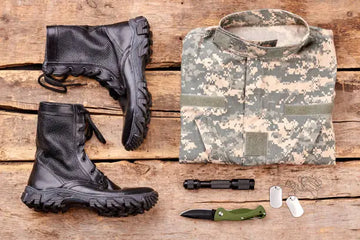
Tactical Uniform Set (ACU-Inspired Design)
3. Fit and design differences (why they feel different in use)
BDU design (typical characteristics)
- Looser, simple cut that layers easily
- Traditional pocket placement and button closures
- Often feels “boxier” compared with modern uniforms
ACU design (typical characteristics)
- Updated pocket angles (easier access with some gear setups)
- Features intended to work better with armor and modern load-bearing equipment
- More hook-and-loop areas on many versions
Practical note: Comfort and mobility depend more on the specific brand/cut and fabric weight than the label alone (BDU vs ACU). Surplus items also vary by age and condition.
4. Camouflage Patterns: Effectiveness in Military Gear
| Pattern | BDU | ACU (Current Standard) |
| Primary Use | Woodland/Desert/Urban | Multi-terrain (OCP) |
| Strengths | High contrast in forests and deserts | Blends in arid, woodland, and urban settings |
| Limitations | Less effective in varied terrains | UCP (phased out) was ineffective in diverse environments |
The ACU’s OCP pattern, tested by the U.S. Army, outperforms UCP by blending seamlessly across multiple terrains, making it ideal for modern combat.
5. Material and Comfort in Combat Apparel
- BDU: The heavier nylon-cotton fabric excels in abrasion resistance but is less breathable in hot climates and requires ironing for a polished look.
- ACU: The lighter 65/35 nylon-cotton blend dries 50% faster, resists wrinkles, and enhances mobility, making it suitable for humid or wet conditions.
6. Benefits and Drawbacks of BDU and ACU
| Uniform | Pros | Cons |
| BDU | Durable, affordable, multiple camouflage patterns | Heavy fabric, high maintenance, no armor integration |
| ACU | Lightweight, OCP camouflage, armor-ready design | Velcro wears over time, higher cost |
7. Use Cases: Where Each Uniform Shines
- BDU: Ideal for cost-effective training, airsoft, or rugged outdoor activities like hiking. Its simple design suits non-armored, static roles.
- ACU: Preferred for modern combat due to armor compatibility, reinforced knee pads, and OCP camouflage. It’s trusted by active-duty personnel in dynamic, multi-terrain environments.
Check our tactical apparel
Frequently Asked Questions (FAQs)
1. Why did the U.S. Army switch from BDUs to ACUs?
The transition addressed modern needs like body armor compatibility, reduced heat stress, and improved camouflage with OCP after UCP’s shortcomings.
2. Can civilians buy real military BDUs or ACUs? What about commercial versions?
Yes, civilians can purchase authentic military-surplus BDUs, including the classic woodland and desert patterns, as these are no longer in active service and are available through surplus stores. Older ACUs with the UCP camouflage can also be found as surplus, though current-issue OCP uniforms are not sold as military surplus.
For commercial versions, many reputable brands produce civilian-legal replicas of both BDUs and ACUs, often with improved materials and designs. These commercial uniforms use similar patterns like OCP or MultiCam® under proper licensing agreements, making them legal for civilian use.
However, it's important to note that wearing uniforms with official military insignia or attempting to impersonate service members is prohibited by law. When purchasing, always ensure the gear is clearly marketed as commercial or surplus to stay compliant with regulations.
3. Which uniform is better for bushcraft or hiking?
BDUs are budget-friendly for predictable environments. ACUs excel in variable conditions due to quick-drying fabric and OCP camouflage.
4. How do BDU and ACU sizes compare?
BDUs have a looser fit, ideal for layering, while ACUs offer a more fitted design for mobility. Always check sizing charts before purchasing.
5. How should I care for my tactical uniform?
Wash BDUs in cold water and iron for crispness. ACUs can be machine-washed and air-dried to maintain fabric integrity.
Build a practical kit (instead of shopping for uniforms)
If your goal is a functional setup—not a full uniform collection—start with the gear categories that matter most:
Backpacks and bags
MOLLE pouches
Tactical vests and plate carriers
Tip: If you already own BDU/ACU clothing, choose pouches and packs in a compatible color family (OD green, coyote, ranger green, gray) so the kit looks consistent and avoids “high contrast” against your environment.
Conclusion
The BDU and ACU represent distinct approaches to military apparel. BDUs offer durability and simplicity for recreational or low-intensity use. ACUs cater to modern warfare with advanced camouflage and armor integration.
For specialized needs, custom modifications like moisture-wicking fabrics or laser-cut pouches can enhance performance.
Disclaimer: Informational only. Not affiliated with or endorsed by the U.S. Department of Defense.