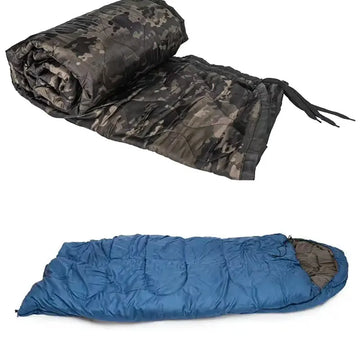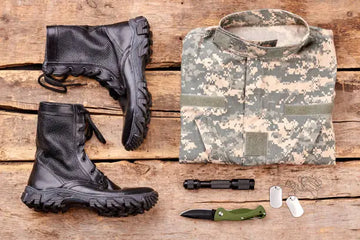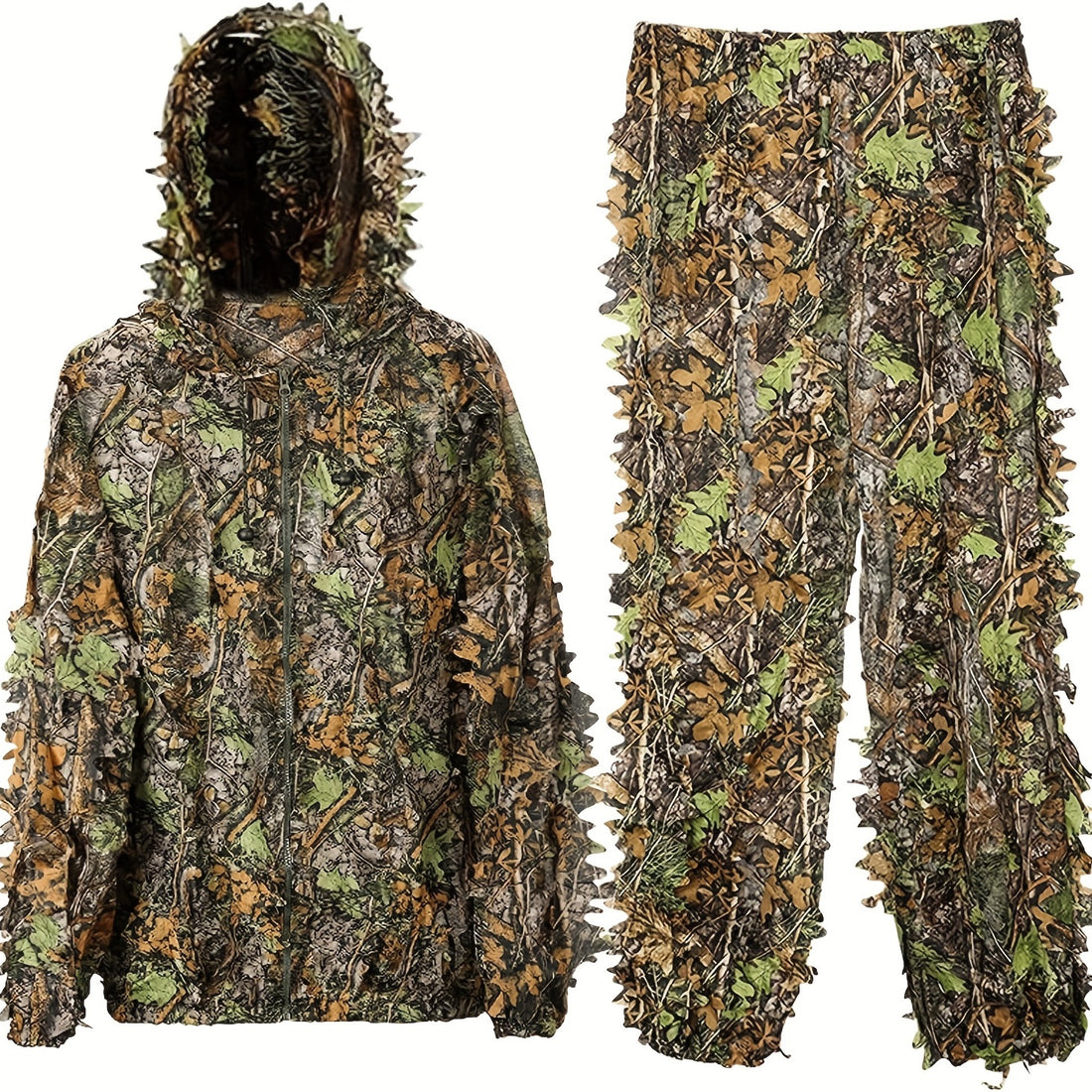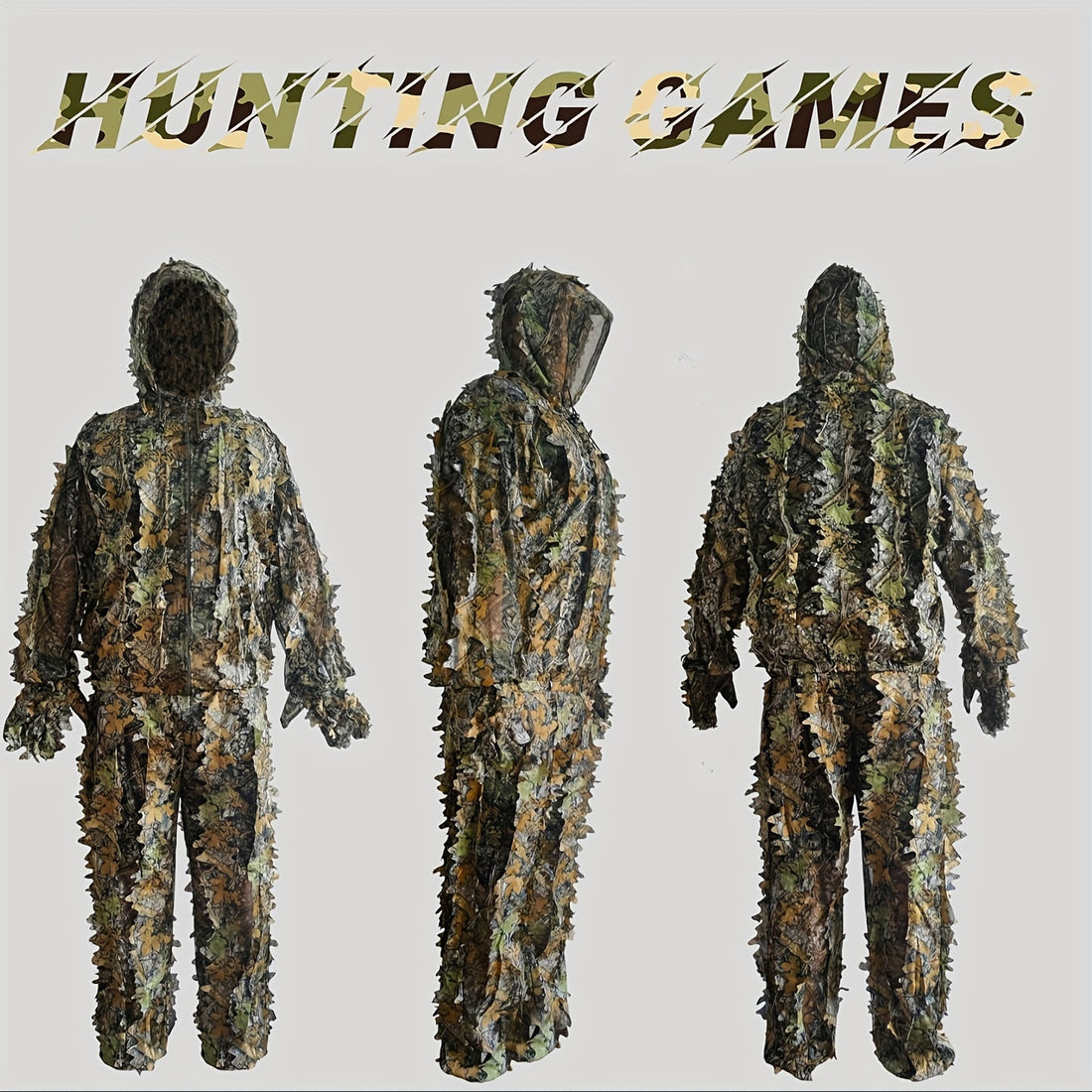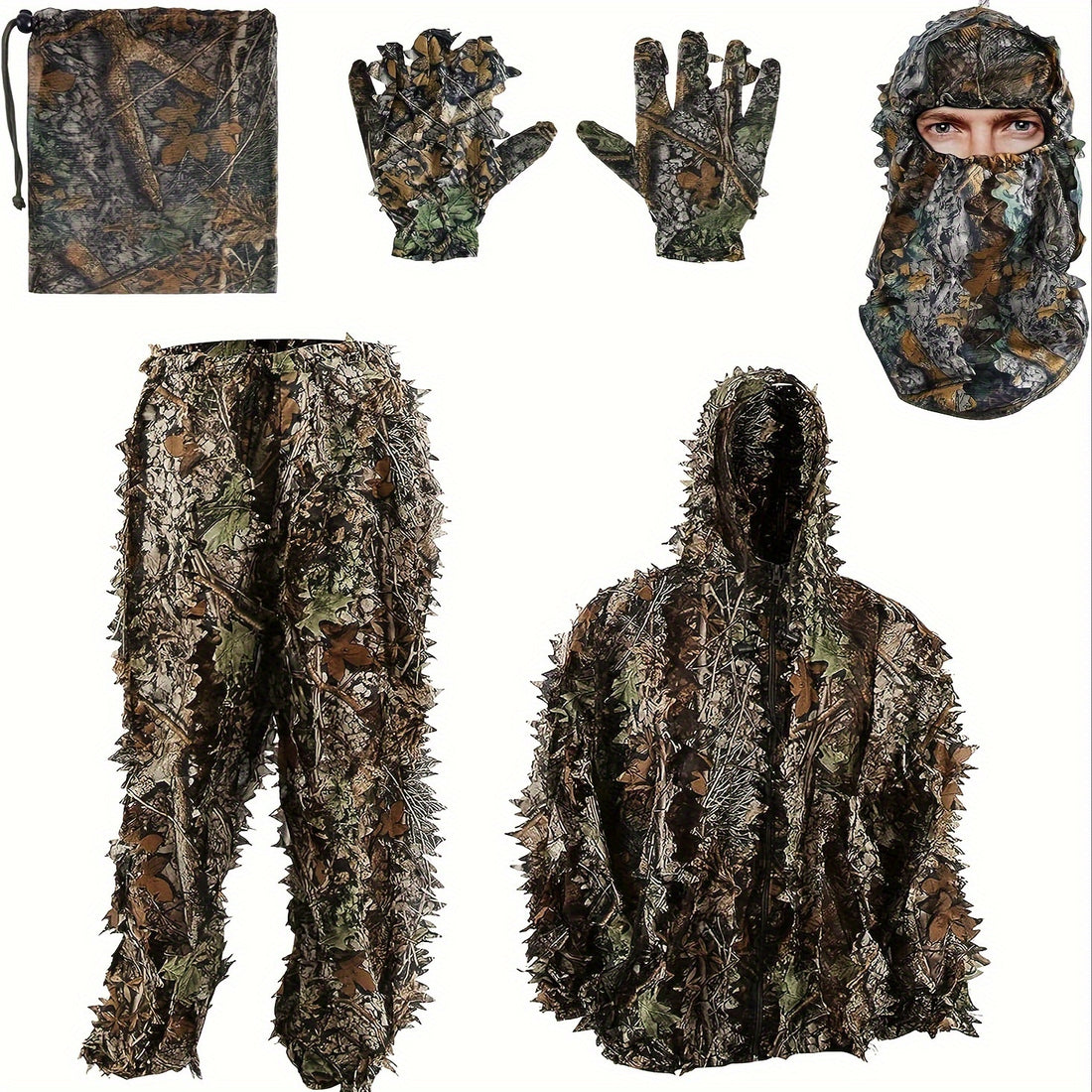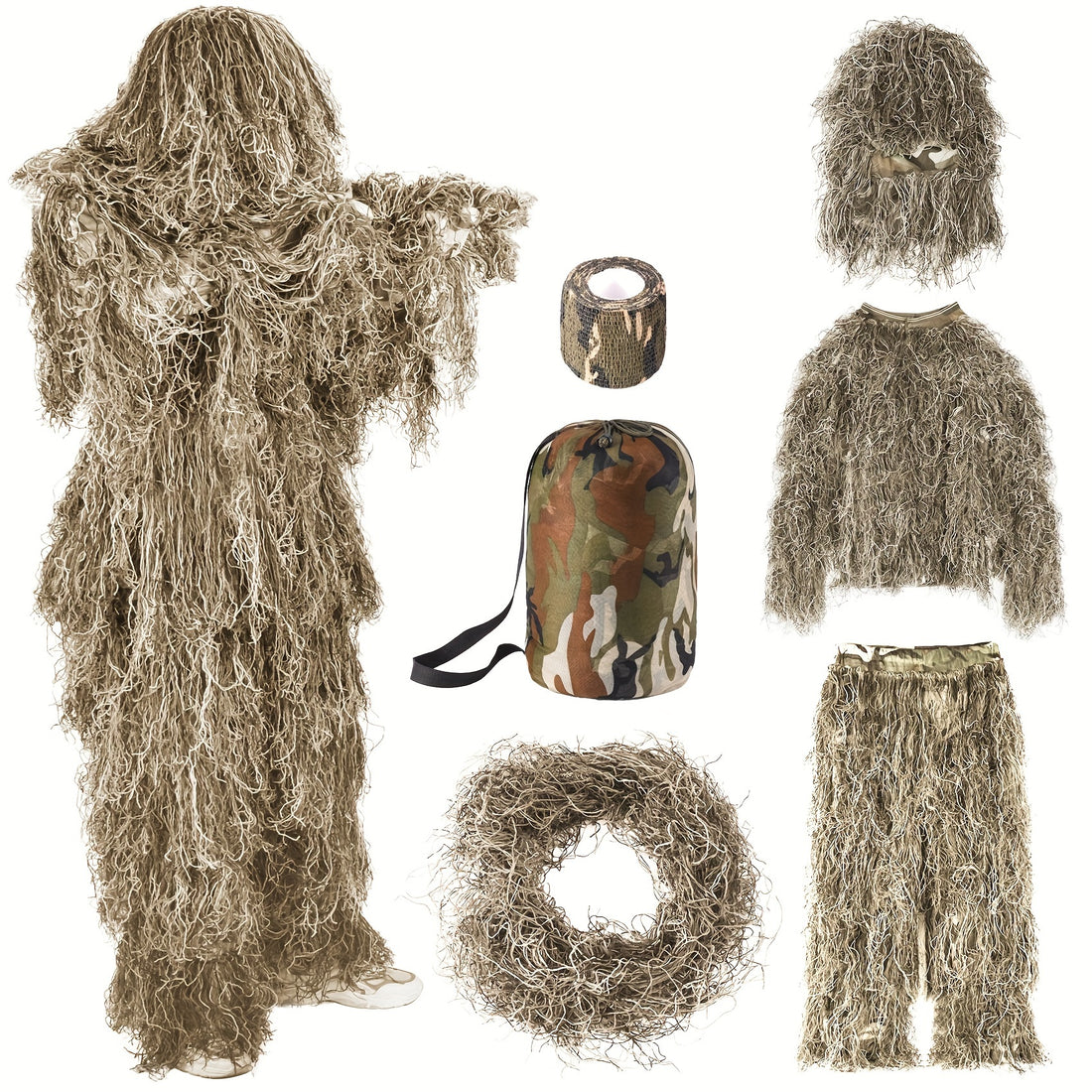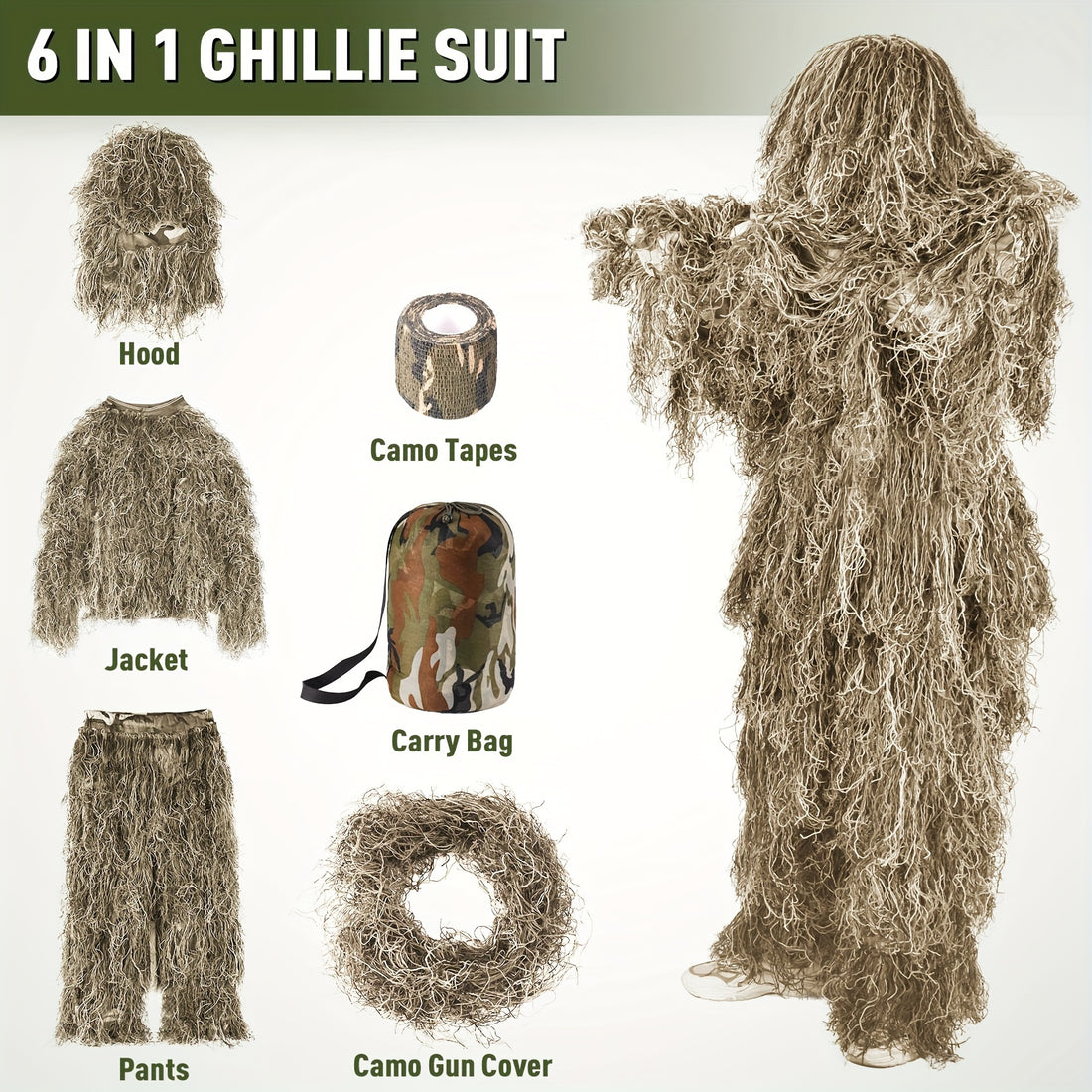

The right tactical gear color is more than appearance. It affects visibility, heat, maintenance, and how well your kit blends into the environment. This guide helps you choose between popular solid colors (black, coyote brown, OD green, ranger green, gray) and common camouflage patterns.
If you’re building a matched setup, color choice is also a simple way to keep your gear consistent across a backpack, plate carrier, and pouches.
Shop tactical gear by color (quick picks)
Below are a few of our current products that come in common tactical colorways.
Everyday urban colors (Black / Gray / OD Green):
- Tactical EDC Laptop Backpack (MOLLE & large patch panel)
- Tactical MOLLE Laptop Backpack/ Shoulder Bag
Outdoor mixed-environment colors (Coyote / Green family):
Duty training setups (Plate carriers):
If you want to browse by category:
How to choose a tactical gear color (quick decision guide)
If you want a fast, practical answer, start here:
-
Urban low profile: Gray or black (clean look, blends with concrete and dark clothing)
-
Desert dry terrain: Coyote brown (good in dust, sand, scrub)
-
Woodland green terrain: OD green (strong in foliage)
-
Mixed environments (most versatile solid color): Ranger green (works well in both urban and woodland)
- One pattern for many places: Multi-environment camouflage patterns (depends on availability and cost)
Then refine your choice based on the factors below.
Why Colors and Patterns Matter in Tactical Gear
Tactical gear colors and camouflage patterns serve different purposes:
-
Camouflage visibility control: Helps reduce contrast against your environment.
-
Heat comfort: Dark colors tend to absorb more heat in direct sunlight.
-
Maintenance: Some colors hide dust and wear better than others.
- Professional look/team identity: Color consistency can look cleaner for training groups, range teams, or work use.
Your best choice depends on where you use the gear, how often you use it, and how “low profile” you want it to look.
Solid Colors for Tactical Gear
1. Black: The Classic duty/urban color
Black tactical gear is common for security and urban use because it looks clean and professional.
When to Choose Black
- Urban environments and low-light conditions
- Work/security use where a uniform look matters
- You want a neutral color that matches most clothing
What to keep in mind
- Black can stand out in bright daylight and natural environments.
- It absorbs heat more than lighter colors.
2. Coyote Brown: Practical for Dusty Arid Terrain
Coyote brown tactical gear works well in deserts and dry areas. It also hides dirt and wears better than a very light tan.
When to Choose Coyote Brown
-
Desert Operations: Blends into sandy and rocky landscapes.
-
Dusty Environments: Keeps a cleaner appearance due to its dirt-concealing properties.
- Versatile Use: Neutral tone works across various terrains, from scrublands to mixed environments.
What to keep in mind: Less effective in dense green environments.
Other Colors Similar to Coyote Brown
Coyote Brown can easily be confused with several other shades that are popular in tactical gear. These include:
- Tan: Tan is lighter and has a more yellow or beige undertone compared to Coyote Brown. However, the two colors can appear quite similar, especially in bright sunlight.
- Khaki: Khaki is another lighter color, with a slightly more yellowish or beige tint. It's often used in military and outdoor gear, and its similarity to Coyote Brown can be confusing.
- Flat Dark Earth (FDE): FDE is a popular color for firearms and gear, and it’s a bit darker than tan but lighter than Coyote Brown. It has a slightly cooler tone, with a mix of brown and grayish undertones.
- Desert Sand: This color is lighter than Coyote Brown and has a more beige or sand-like appearance. It's often used in desert environments, similar to Coyote Brown, but it's paler in comparison.
- Dark Earth: Dark Earth is very close to Coyote Brown, but it may have a slightly richer, darker tone. The difference is subtle and can be easily overlooked.

3. Olive Drab (OD Green): Strong in Woodland
OD green tactical gear blends into foliage and works well for forested environments.
When to Choose Olive Drab
- Woodland, field, and outdoor use
- You want a traditional military-style color with good concealment in green terrain
What to Keep in Mind
- It can look out of place in urban settings.
- Seasonal changes (autumn) can reduce how well it blends.
OD/Green-friendly daily pack option:
20L Parachute-Style Water-Resistant Outdoor Backpack

4. Ranger Green: The Modern Choice
Ranger green sits between olive drab and coyote brown. It’s slightly darker and more subdued than OD green, but more vibrant than coyote brown. It’s popular because it works in mixed environments and looks modern.
When to Choose Ranger Green
- Mixed terrain (urban + woodland)
- Training use where you want one color that isn’t too dark or too light
What to keep in mind: Not as specialized as a true desert or deep-woodland option.

5. Gray: low profile for urban/travel
Gray tactical gear blends well with concrete backgrounds and is a good choice for people who prefer a more “everyday” look.
When to Choose Gray
- Urban travel, commuting, and low-profile carry
- You want a modern look that doesn’t draw attention
What to keep in mind: Gray is not effective in most natural environments.
Gray travel options:

Camouflage Patterns for Tactical Gear
Camouflage patterns are designed for multi-environment concealment, making them ideal for dynamic missions. Here are the most popular options:
1. MultiCam®: The All-Terrain Option
MultiCam® is a relatively newer color pattern that has gained immense popularity. It’s designed to work in a variety of environments, from deserts to forests to urban areas.
MultiCam® uses a mix of greens, browns, and beiges, which helps it adapt to different surroundings.
This versatility makes it a favorite among special forces and units that need to operate in diverse terrains without changing gear.
When to Use MultiCam®
-
Multi-Environment Operations: Perfect for missions that span different terrains.
-
Special Forces: Favored for its adaptability and effectiveness.
- General Use: Suitable for users who need one set of gear for various settings.
Considerations:
-
Cost: Often more expensive due to its proprietary pattern and advanced design.
- Availability: Primarily used by military and tactical units, less common for civilians.
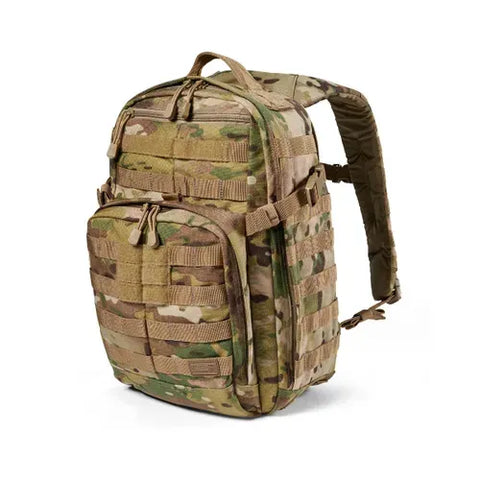
5.11 Multicam backpack
2. A-TACS: The Digital Camouflage
A-TACS (Advanced Tactical Concealment System) uses digital patterns for enhanced camouflage in specific environments (e.g., arid, urban, or forest). Learn more at A-TACS.
When to Use A-TACS
-
Specialized Environments: Variants like A-TACS AU (arid) or FG (foliage) target specific terrains.
-
Tactical Units: Popular for its modern, high-tech look.
- Precision Operations: Ideal for missions requiring advanced concealment.
Considerations
-
Specificity: Each variant is optimized for specific environments, limiting versatility.
- Cost: Similar to MultiCam®, it’s pricier than solid colors.
3. Kryptek: The High-Tech Pattern
Kryptek features biomimetic patterns inspired by natural camouflage, offering unique aesthetics and effectiveness. Learn more at Kryptek.
When to Use Kryptek
-
Hunting and Outdoor Use: Popular among hunters for its organic look.
-
Mixed Terrains: Variants like Highlander work in diverse environments.
- Modern Appeal: Appeals to users seeking a distinctive style.
Considerations
-
Availability: Less common in military settings, more for civilians.
- Cost: Can be expensive due to its specialized design.
Choosing the Right Color or Pattern for Your Needs
-
Identify Your Environment: Urban settings favor black or gray, deserts suit coyote brown, and woodlands call for olive drab or A-TACS FG.
-
Define Mission Goals: Night operations need black, while multi-terrain missions benefit from MultiCam®.
-
Consider Maintenance: Choose colors that hide wear for long missions or require less maintenance.
-
Balance Cost and Versatility: MultiCam® is versatile but costly; coyote brown is budget-friendly for specific environments.
- Consult Experts: With over 15 years of experience, we offer custom tactical gear in any color or pattern. Contact us for tailored solutions.
FAQ: tactical gear colors (quick answers)
1. What’s the difference between coyote brown and FDE?
They’re both earth tones, but they often come from different materials and brand standards. Coyote is usually a warmer mid-brown; FDE can look slightly lighter or cooler. If you want a matched kit, try to buy major pieces from the same brand �batch when possible.
2. Is black tactical gear good for outdoor use?
It works, but it can stand out in nature and absorb more heat. If you want one “do most things” solid color, Ranger Green is often easier to blend in mixed environments.
3. Which color hides dirt and wear best?
Coyote brown and many earth tones hide dust well. Some darker tones can show salt marks or lint more easily.
4. Do tactical gear colors look different in real life than in online photos?
Yes. Lighting, camera settings, and screen color can all change how a shade looks. If color matching matters, pick one main color family and keep your core pieces consistent.
5. Can I mix colors and still look consistent?
Yes. A simple rule is: one main color + one neutral. For example, ranger green + black, or coyote + OD green.
6. Which color is best for a low-profile travel setup?
Gray is a common choice for a cleaner, less “tactical” look. Pair it with a streamlined backpack or duffel.
7. Do you offer custom colors or OEM wholesale orders?
Yes. We’re a manufacturer (since 2009) and can support custom colors, materials, and logo methods. Wholesale page.
Conclusion
Choosing the right tactical gear color is mainly about your environment and your use case. Solid colors like black, coyote brown, OD green, ranger green, and gray each have advantages. Camouflage patterns like MultiCam®, A-TACS, and Kryptek offer different approaches to concealment and style.
If you want help picking a setup (or matching a kit by color), start with your main carry item and build from there.
Informational only; always follow applicable local laws and regulations.