
The woobie blanket is a trusted companion for military personnel, outdoor enthusiasts, and anyone seeking reliable warmth.
This guide explores the woobie blanket’s features, history, and modern uses to help you choose the perfect tactical blanket for your needs.
What is a Woobie Blanket?
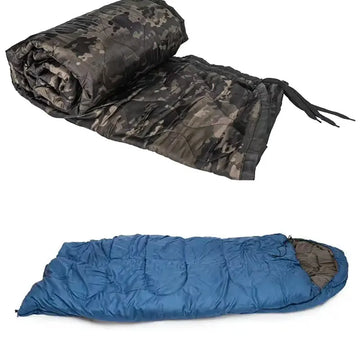
A woobie blanket, often called a military blanket or poncho liner, is a lightweight, insulated blanket designed for rugged environments. Originally developed for U.S. soldiers, it balances portability, warmth, and durability.
Weighing around 1.5 lbs, it compresses easily for backpacking, serves as a moisture-resistant layer, and adapts to multiple roles: sleeping bag liner, ground cover, or improvised shelter.
Unlike heavier wool or cotton blankets, the woobie’s design ensures functionality in wet, cold, or windy conditions, making it a good choice for tactical and outdoor use.

Woobie Blanket Origins
The woobie blanket traces its roots to the Vietnam War (1960s–1970s), when the U.S. military introduced the poncho liner to keep soldiers warm in humid, chilly conditions. Quilted with a nylon shell and polyester filling, it provided lightweight insulation that dried quickly.
The term “woobie” likely emerged from military slang, possibly inspired by the 1983 film Mr. Mom, where a child’s security blanket was called a “woobie,” reflecting its comforting reliability.
Over the years, the woobie has gained popularity among civilians for its practicality and comfort.
Other Names for the Woobie Blanket
You might hear the woobie referred to as:
-
Poncho Liner: Its official military designation.
-
Field Blanket: Emphasizing its outdoor utility.
-
Ranger Blanket: Popular among elite units.
- Combat Blanket: Highlighting its tactical roots.
These names reflect their practical uses and origins.
Sizes, Materials, and Design Features of Woobie Blankets
Sizes
- Standard Military Issue: 62" x 82", ideal for covering an adult or layering over gear.
- Civilian Variants: Compact options (e.g., 50" x 70") cater to ultralight travelers or children.
Materials
- Outer Shell: Ripstop nylon, a tear-resistant fabric that sheds light rain and withstands rough terrain.
- Filling: Polyester batting retains warmth even when wet and dries quickly, unlike cotton.
- Edge Binding: Reinforced polyester webbing ensures durability during frequent use.
Design Features
- Attachment Points: Grommets or loops allow integration with tactical packs, ponchos, or shelters.
- Zippered Variants: Some models include zippers to transform into a sleeping bag or enclosed wrap for survival scenarios.
- Lightweight: At ~1.5 lbs, it’s lighter than wool blankets (3–5 lbs), ideal for backpacking.

Practical Applications of the Woobie Blanket
The woobie’s versatility extends beyond military use:
-
Camping and Backpacking: Use as a ground cover, sleeping bag liner, or standalone blanket.
-
Emergency Preparedness: Compact and lightweight, it’s a must-have for survival kits.
-
Outdoor Events: Stay warm at stadiums, festivals, or picnics.
-
Home Use: A cozy throw for sofas or a durable pet bed.
- Travel: Compact enough for car trunks or carry-on luggage.
How to Choose the Right Woobie Blanket
Selecting the best woobie blanket depends on your needs:
- Primary Use: Determine if you need it for ultralight backpacking, tactical training, or general outdoor comfort. This will guide your decision on size and features.
- Size: Choose standard (62" x 82") for full coverage or compact (50" x 70") for travel.
- Features: Decide if attachment points or a zippered design are necessary for your activities.
- Color and Camouflage: Neutral tones like olive drab or coyote brown are suited for tactical use, while civilian markets offer a wider range of colors.
How to Clean and Store Your Woobie Blanket
Proper maintenance ensures your tactical blanket lasts for years.
Washing:
- Machine wash on a gentle cycle with cold water.
- Use mild detergent and avoid bleach, which can damage nylon and polyester.
- Rinse twice to remove all soap residue.
- Spot-clean tough stains (e.g., mud, grease) with a soft brush and mild soap before washing.
Drying:
- Air-dry flat to preserve shape and water resistance.
- If using a dryer, select low heat to avoid melting the polyester filling.
Storage:
- Store loosely folded in a cool, dry place to prevent mildew.
- Avoid plastic bags, which trap moisture.
- Limit prolonged sunlight exposure to prevent color fading.
Conclusion
The woobie blanket's versatility, durability, and comfort make it a useful addition to any household. Whether you’re using it for camping, travel, or simply staying cozy at home, the woobie blanket remains a practical piece of equipment.
Wholesale and Business Partnerships
Since 2009, we’ve specialized in crafting tactical gear, including woobie blankets, vests, bags, and pouches. We offer:
-
Customization: Tailor blankets with branding, size adjustments, or specialized fabrics.
- Wholesale Options: Competitive bulk pricing for retailers, agencies, or teams.
Interested in stocking woobie blankets or developing custom tactical solutions? Contact our team for quotes and product catalogs.